

So you’re stuck between Drift of Mist and Shoji White? I get it. These two Sherwin Williams colors look pretty similar at first glance.
They’re both soft, light neutrals that won’t punch you in the face with color. But here’s the thing. They’re actually quite different once you see them on your walls.
Drift of Mist sits at an LRV of 69 with that hex value of #DCD8D0. Shoji White comes in a bit brighter at LRV 72 with #E6DFD3. Just three points difference in LRV, but trust me, your eyes will notice.
I’ve seen both of these colors in dozens of homes. Drift of Mist leans into that greige territory with some subtle gray-green undertones. It’s got a bit more personality, if you will.
Shoji White? It’s warmer right off the bat. You’ll catch those peachy-beige undertones pretty quickly, especially in natural light.
Both colors work beautifully as whole-home neutrals. But they create totally different vibes. Drift of Mist gives you that modern, slightly cool sophistication. Shoji White wraps your space in warmth and coziness.
The wrong choice won’t ruin your home or anything. But the right choice? It’ll make everything else fall into place so much easier.
Let’s break down exactly what makes these two colors tick. And more importantly, which one belongs on your walls.
Key Differences Between Drift of Mist And Shoji White

Drift of Mist has gray-green undertones that give it a cooler, more modern feel. Shoji White leans warm with peachy-beige undertones that create a cozier atmosphere.
The LRV difference is small but noticeable. Shoji White at 72 reflects just a bit more light than Drift of Mist at 69.
Drift of Mist works better in contemporary and transitional spaces. Shoji White shines in traditional, farmhouse, and cottage-style homes.
When to Use Drift of Mist And Shoji White
Picking between these two really comes down to the mood you’re after and what your space already has going on. Let me walk you through when each color makes the most sense.
Use Drift of Mist if:
You want a neutral that feels current and fresh. This color works wonderfully in modern and contemporary homes where you need something soft but not too warm.
Your space gets tons of natural light. Drift of Mist won’t turn stark white in bright rooms. It maintains its character even when the sun is blasting through your windows.
You’re working with cool-toned furniture and decor. Gray sofas, silver fixtures, and cool-toned woods all play nicely with this color.
You need a whole-home color that won’t feel boring. The gray-green undertones give it just enough interest to work room after room without feeling repetitive.
Your home has a lot of warm wood tones that you want to balance out. Drift of Mist cools things down without fighting against the warmth.
Use Shoji White if:
You want your home to feel warm and inviting the second someone walks in. This color has that immediate coziness factor.
Your rooms face north or don’t get much natural light. The warm undertones in Shoji White keep spaces from feeling cold or institutional.
You’re going for farmhouse, cottage, or traditional vibes. This color was basically made for these styles.
You have warm-toned furniture and decor already. Beige sofas, warm wood floors, and brass fixtures all look amazing with Shoji White.
You need a soft white that doesn’t feel too white. It’s got enough color to feel substantial without being obviously beige.
Emotional Effects: Drift of Mist vs Shoji White
Colors do something to us, right? They change how we feel in a space without us even realizing it.
Drift of Mist creates this calm, collected atmosphere. When you walk into a room painted in this color, there’s an immediate sense of order. It’s like the room takes a deep breath.
The gray-green undertones bring in a natural element. Think misty mornings or soft fog rolling over hills. There’s something grounding about it.
People often tell me their Drift of Mist rooms feel serene and peaceful. It’s a color that helps your mind settle down after a long day. Perfect for bedrooms and home offices where you need to focus or unwind.
But here’s the thing. Some people find it a bit too reserved. If you’re someone who needs warmth to feel comfortable, Drift of Mist might leave you feeling a little cold.
Now Shoji White? Totally different emotional experience.
This color wraps you up. It’s like coming home to a warm hug. The peachy-beige undertones create instant coziness.
Shoji White makes spaces feel lived-in and welcoming. Even a brand new room feels like it has history and character. There’s a softness to it that just makes people want to settle in and stay awhile.
I’ve noticed that Shoji White encourages gathering. Living rooms and kitchens painted in this color become natural gathering spots. It’s inviting without trying too hard.
The warmth also makes it feel safe and comforting. Great for spaces where you want people to relax and open up. Family rooms, bedrooms, reading nooks.
Where Drift of Mist says calm and composed, Shoji White says warm and welcoming. Neither is better. They’re just speaking different emotional languages.
If you need your space to feel like a retreat from chaos, Drift of Mist delivers. If you need it to feel like a warm embrace, go with Shoji White.
Detailed Comparing Drift of Mist And Shoji White

Drift of Mist comes in at #DCD8D0 on the hex scale. It’s got that perfect balance of gray with just enough warmth to not feel cold. The LRV of 69 means it’s definitely in the light neutral category but with enough depth to not wash out.
Those gray-green undertones are what make this color special. In the morning light, you’ll catch more of the green. By afternoon, the gray comes forward. It’s constantly shifting just a little bit.
This color works beautifully in open concept spaces. You can use it throughout and it ties everything together without being boring. Living rooms, kitchens, hallways, bedrooms. It all flows.
For finishes, I usually recommend eggshell for walls. Gives you just enough sheen to wipe down but doesn’t highlight every imperfection. Satin works great in high-traffic areas and kitchens.
Style-wise, Drift of Mist fits modern, contemporary, transitional, and even Scandinavian design. It’s that cool-leaning neutral that works with clean lines and minimal decor.
Shoji White sits at #E6DFD3. Right away you can see it’s lighter and warmer than Drift of Mist. That LRV of 72 means it reflects more light, making rooms feel bigger and brighter.
The peachy-beige undertones are what give this color its character. In natural light, that warmth really comes through. Even in artificial light, it maintains a soft, inviting glow.
This is your classic whole-home neutral for traditional spaces. It looks amazing in craftsman homes, farmhouses, and cottages. But honestly, it works in transitional spaces too if you lean warm with your decor.
Same deal with finishes. Eggshell for most walls, satin for kitchens and bathrooms. Some people go with matte in bedrooms for that extra soft look.
Shoji White loves warm wood tones, natural textures, and cozy layered spaces. Think linen curtains, jute rugs, and wood furniture with warm stains.
| Features | Drift of Mist | Shoji White |
|---|---|---|
| Hex Value | #DCD8D0 | #E6DFD3 |
| LRV | 69 | 72 |
| Undertones | Gray-green | Peachy-beige |
| Best Use | Modern, contemporary, transitional spaces | Traditional, farmhouse, cottage, warm transitional |
| Recommended Finishes | Eggshell for walls, satin for high-traffic areas | Eggshell for walls, satin for kitchens/baths, matte for bedrooms |
| Style Fit | Cool, serene, sophisticated | Warm, cozy, inviting |
Real-Life Photos: Drift of Mist vs Shoji White
Nothing beats seeing these colors in actual homes, right? You can stare at paint chips all day, but real rooms tell the real story.
Below you’ll find photos from real people who’ve used both Drift of Mist and Shoji White in their spaces. Pay attention to how the colors look in different lighting situations. Notice what furniture and decor they paired with each color.
These photos show you what your walls could actually look like. Not some perfectly staged designer room, but real homes where real people live.
Drift of Mist


Shoji White
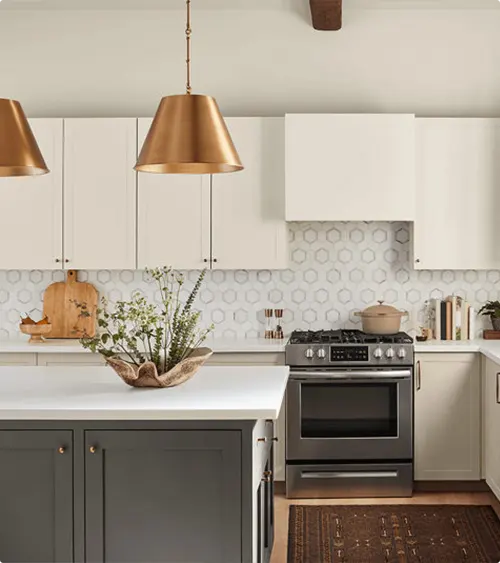


Drift of Mist vs Shoji White: Are They Warm or Cool Paints?
Okay, so here’s where it gets interesting. Drift of Mist technically leans cool. Those gray-green undertones pull it toward the cooler side of the neutral spectrum.
But it’s not a cold color. It’s got enough warmth in the base to keep it from feeling icy or sterile. Think of it as a cool neutral with a soft side.
In rooms with warm afternoon light, Drift of Mist can actually read pretty neutral. The cool undertones balance out the warm light. That’s why it works so well in sun-drenched spaces.
If you put it next to a true cool gray, you’d see the warmth. But next to a warm beige, you’d see the coolness. It walks that line pretty well.
Shoji White is definitely a warm paint color. No question about it. Those peachy-beige undertones make it unmistakably warm.
It’s not screaming beige or anything. The warmth is soft and subtle. But it’s there, especially in natural daylight.
In rooms that get cool northern light, Shoji White adds the warmth you need. In rooms with warm southern light, it glows. It never fights against the light, just enhances whatever you’ve got.
So bottom line? Drift of Mist is cool-leaning neutral. Shoji White is warm-leaning neutral. Pick based on what your space needs and what makes you feel good.
Coordinating Colors
Both of these neutrals play well with others. The key is understanding their undertones and building your palette from there.
With Drift of Mist, you want to honor those cool gray-green undertones. Don’t fight against them. With Shoji White, lean into the warmth.
Let me give you some solid coordinating options for each.
Drift of Mist
Sherwin Williams Sea Salt works beautifully with Drift of Mist. It picks up on those soft green undertones and creates a cohesive, spa-like feel. Perfect for bedrooms or bathrooms.
Sherwin Williams Repose Gray makes a great accent wall color. It’s a bit deeper and grayer, which creates nice contrast while staying in the same cool family.
Sherwin Williams Pure White is my go-to trim color with Drift of Mist. It’s a clean white that doesn’t have strong undertones to clash with the gray-green.
Shoji White
Sherwin Williams Accessible Beige is a natural partner for Shoji White. It’s warmer and a touch deeper, perfect for accent walls or adjacent rooms.
Benjamin Moore Revere Pewter works surprisingly well too. It’s got those warm gray undertones that complement Shoji White’s peachy-beige base.
Sherwin Williams Kilim Beige goes a shade deeper if you want more contrast. Still warm, still cohesive, just with more visual interest between rooms.
Trim Color with Drift of Mist And Shoji White
Trim color can make or break your whole paint scheme. I’ve seen beautiful wall colors look terrible because someone picked the wrong white for trim.
The trick is matching the temperature of your trim to your wall color. Cool walls need cool or neutral whites. Warm walls need warm or neutral whites.
Let me break down the best options for each color.
For Drift of Mist:
Sherwin Williams Pure White is my top choice. It’s a clean, neutral white that doesn’t pull warm or cool. Lets Drift of Mist do its thing without competing.
Sherwin Williams Extra White works if you want a crisper contrast. It’s a bit cooler and brighter, which can look really sharp against the soft gray-green of Drift of Mist.
Benjamin Moore Simply White is another solid option. It’s got the tiniest bit of warmth, just enough to keep the contrast from feeling too stark.
Benjamin Moore Chantilly Lace gives you that pure, clean white look. It’s neutral enough to work without adding any color cast.
For Shoji White:
Sherwin Williams Alabaster is perfect with Shoji White. Both have warm undertones, so they create a cohesive, flowing look from wall to trim.
Benjamin Moore White Dove is my other go-to. It’s got that soft warmth that complements Shoji White’s peachy-beige tones beautifully.
Sherwin Williams Snowbound works if you want a bit more contrast. It’s warmer than Pure White but still bright enough to clearly read as trim.
Benjamin Moore Cloud White brings just a touch of gray warmth. Creates a subtle contrast without the trim jumping out at you.
What’s the Verdict? Should I Choose Drift of Mist or Shoji White
Here’s the honest truth. Both colors are excellent neutrals. You’re not going to mess up your house with either choice.
But they create very different moods.
Choose Drift of Mist if your style leans modern or contemporary. If you love cool, calm spaces and you’re working with lots of natural light. If your furniture and decor run cool-toned.
It’s the better choice for open concept homes where you need flow without things getting too warm or too cold. For people who want sophisticated without being stuffy.
Choose Shoji White if warmth matters to you. If you want spaces that immediately feel cozy and inviting. If your home doesn’t get tons of natural light or faces north.
It’s perfect for traditional, farmhouse, or cottage styles. For homes with warm wood floors and furniture. For people who need their space to feel like a hug.
Can’t decide? Here’s what I tell everyone. Get samples. And I don’t mean those little paint chips.
Order actual peel-and-stick samples from Samplize. Stick them on your walls. Live with them for a few days. Watch how they look in morning light, afternoon light, and evening light.
One will feel right. Your gut will tell you.
FAQs About Drift of Mist VS Shoji White
Which color is lighter, Drift of Mist or Shoji White?
Shoji White is slightly lighter with an LRV of 72 compared to Drift of Mist’s LRV of 69. The three-point difference is subtle but noticeable in person. Shoji White will reflect a bit more light and make rooms feel slightly brighter.
Can I use Drift of Mist in a north-facing room?
You can, but be careful. North-facing rooms get cooler light, and Drift of Mist’s cool undertones might make the space feel a bit too cold. If you love the color, make sure to warm things up with your lighting, furniture, and textiles.
Does Shoji White look too beige?
Not really. Shoji White is definitely warm, but it reads more as a soft white with warmth rather than straight-up beige. In bright light it looks quite white. The beige undertones show up more in softer lighting.
What’s the best finish for these colors?
Eggshell works great for most walls with both colors. It’s durable enough for daily life but doesn’t highlight wall imperfections. Go with satin in kitchens, bathrooms, and high-traffic hallways for easier cleaning.
Will Drift of Mist work in a farmhouse-style home?
It can, but Shoji White is usually a better fit for farmhouse style. Drift of Mist’s cool undertones lean more modern. If your farmhouse style is more transitional or modern farmhouse, Drift of Mist could work beautifully.
Can I use both colors in the same home?
Absolutely. Use Drift of Mist in your more modern, public spaces like the living room or home office. Use Shoji White in bedrooms or cozier areas. Just make sure to transition them thoughtfully at doorways or with a hallway color.