
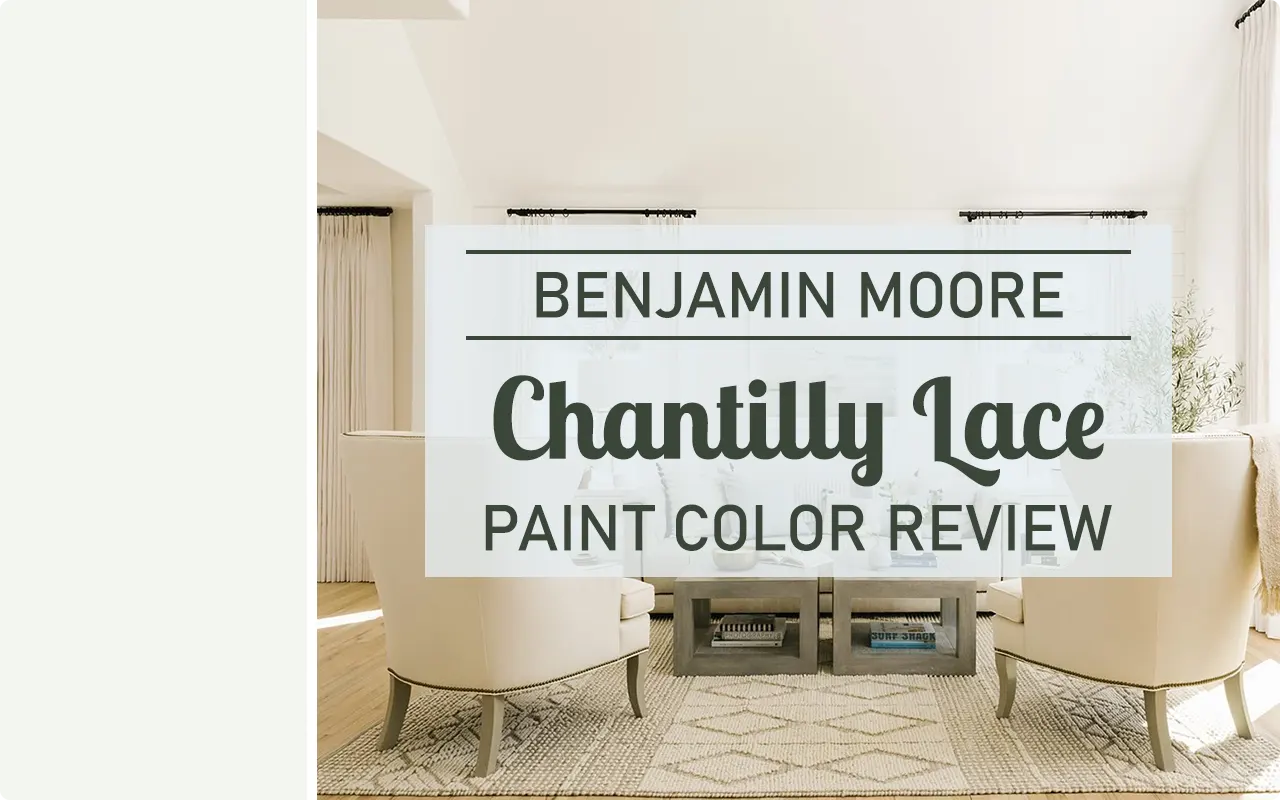
I still remember the first time I came across Chantilly Lace. I was scrolling through renovation photos late at night, and every single room that caught my eye had one thing in common — that clean, almost-glowing white on the walls. I kept seeing the same name pop up in the comments: Chantilly Lace by Benjamin Moore. So naturally, I went down the rabbit hole, and honestly, I have not stopped thinking about this color since.
Chantilly Lace, also known by its code 2121-70, has become one of the most talked-about whites in the interior design world, and for good reason. It is not just a white paint — it is the white paint that people reach for when they want something that feels fresh, clean, and put-together without trying too hard. Designers love it, homeowners swear by it, and once you see it on a wall, you kind of understand why everyone is so obsessed.
In this post, I am going to walk you through everything you need to know about Chantilly Lace — from what kind of white it actually is, to how it behaves under different lighting, where it works best in your home, and what colors pair well with it. If you are on the fence about this color, by the end of this, you will have a pretty clear picture of what you are working with.
What Color is Benjamin Moore Chantilly Lace?
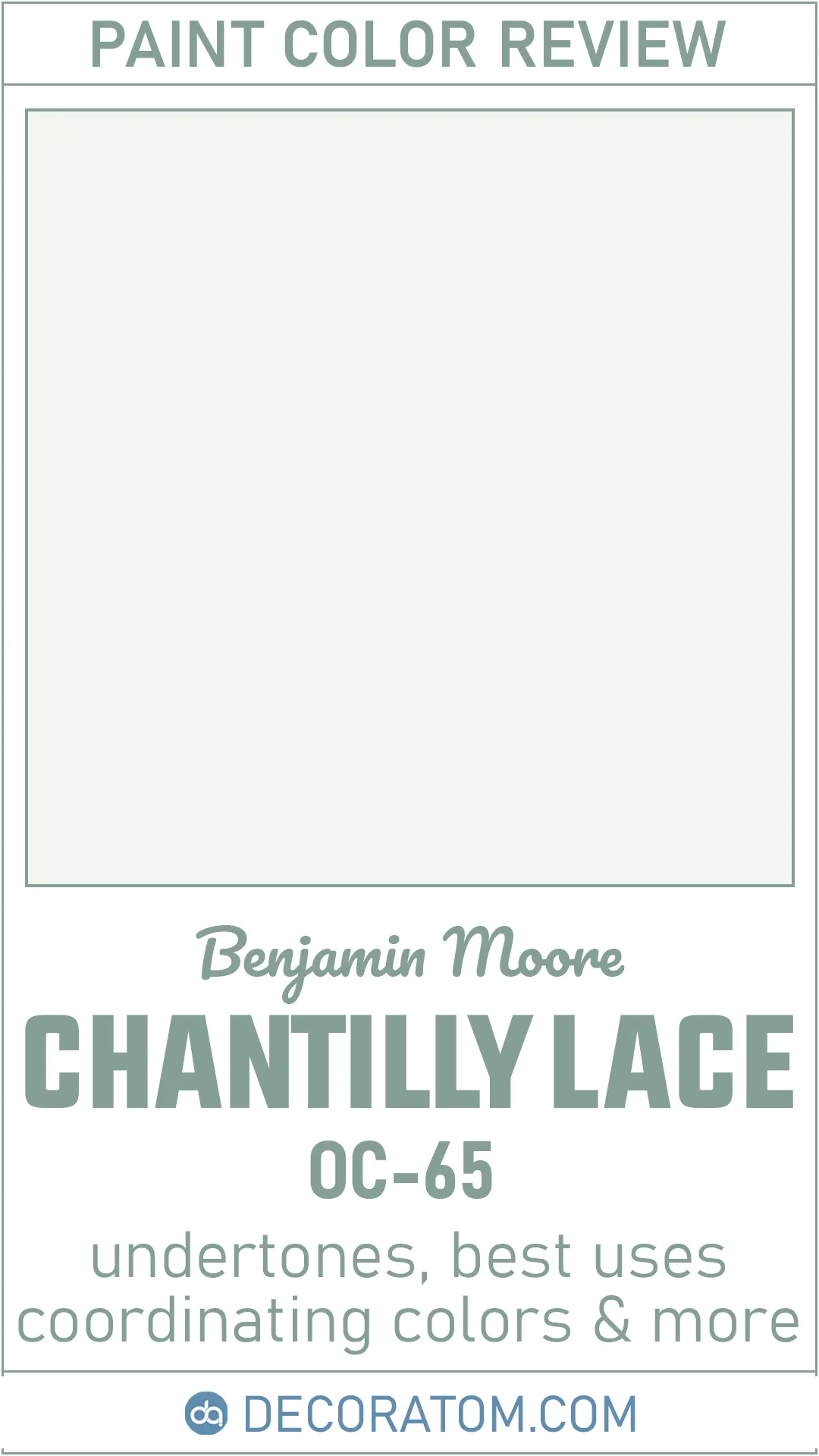
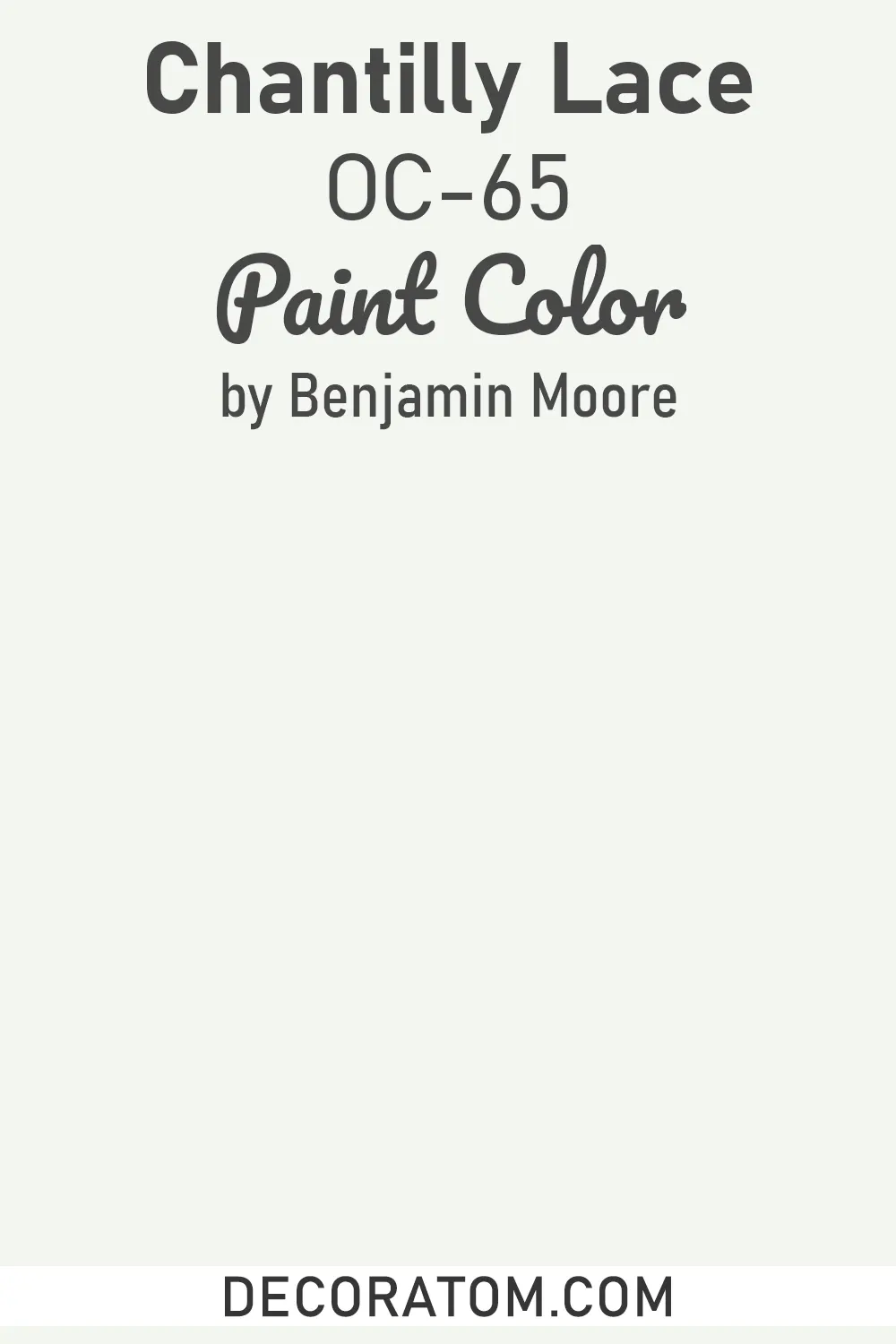
Chantilly Lace is a crisp, pure white. It does not lean into any strong yellow, beige, or pink territory — it just reads as clean, bright white when you put it on the wall. That said, it is not a stark, cold white either. There is a very subtle softness to it that keeps it from feeling clinical or harsh.
As for warm vs. cool — Chantilly Lace sits right in a neutral zone, but it does carry the faintest cool undertone. In most lighting situations, it reads as a balanced, true white. It will not suddenly turn creamy in warm light or icy in cool light the way some whites do. That consistency is actually one of the biggest reasons people love it so much.
LRV of Benjamin Moore Chantilly Lace
LRV stands for Light Reflectance Value, and it basically tells you how much light a color bounces back into the room. The scale goes from 0 (pure black, absorbs everything) to 100 (pure white, reflects everything). The higher the number, the brighter and lighter the color will feel on your walls.
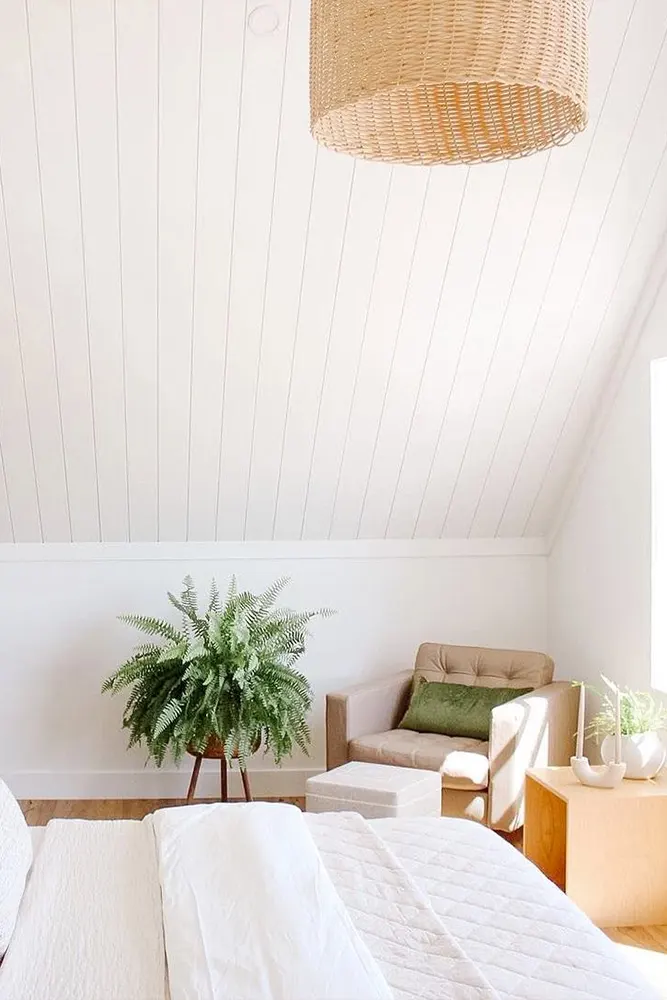
Chantilly Lace has an LRV of 90.04, which is extremely high. This means it reflects a huge amount of light, making any room feel more open, airy, and spacious. If you have a smaller room or a space that does not get a ton of natural light, this number is actually really good news for you.
How Different Types of Lighting Affect Benjamin Moore Chantilly Lace?
Lighting can completely change how a white paint looks, and Chantilly Lace is no exception — though it handles lighting changes better than most whites I have come across.
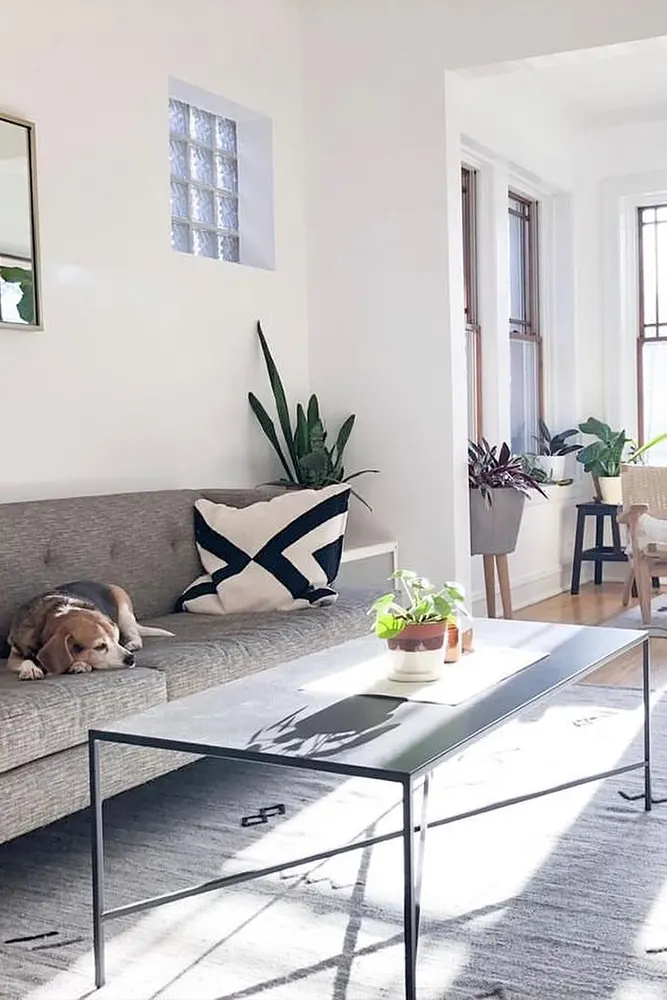
In natural daylight, this color is at its best. It looks bright, clean, and fresh without any weird color shifts. North-facing rooms, which tend to have cooler, more diffused light, might bring out just a touch more of that cool undertone, but it still reads as white. South-facing rooms with warm, direct light will make it feel even more luminous and open.
Under warm artificial lighting like incandescent or warm LED bulbs, Chantilly Lace can pick up the tiniest bit of warmth, but it holds its ground well. It will not suddenly look cream or yellow — it stays close to its true self.
Under cool or daylight-balanced LED lighting, it leans into its cooler side a little more, which actually makes it look incredibly crisp and modern.
The takeaway? Chantilly Lace is one of those whites that does not throw surprises at you depending on the time of day or the light source. That kind of reliability is harder to find than you would think.
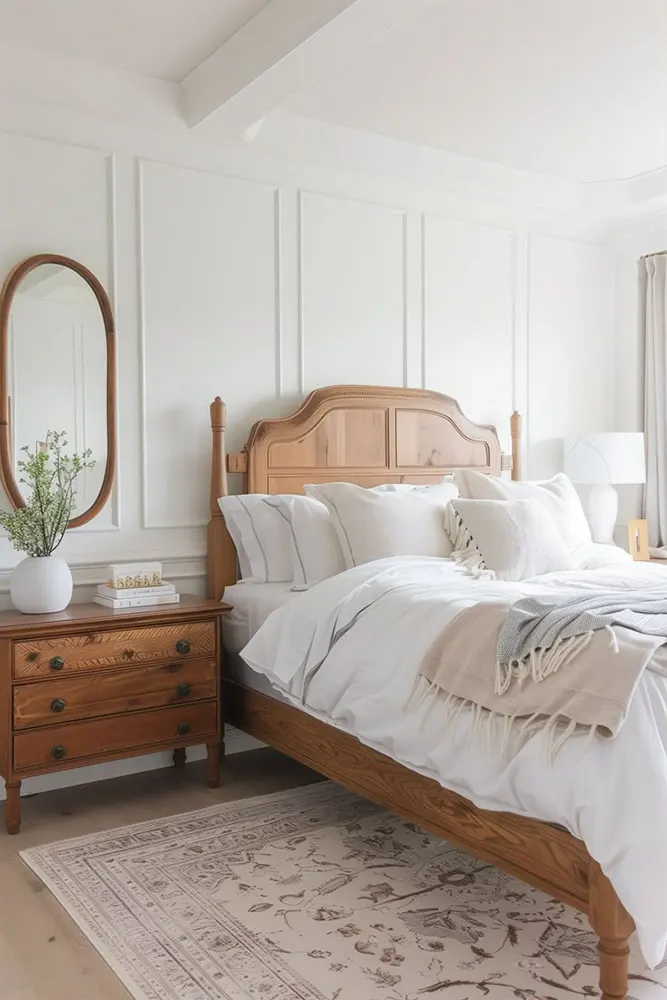
Trim Colors to Pair With Benjamin Moore Chantilly Lace
Trim might feel like a small detail, but it is the thing that either pulls a room together or makes it look slightly off. Since Chantilly Lace is already a bright, clean white, you want trim colors that either match its energy or create just enough contrast to define the architecture of the space.
Here are three trim colors that work really well with it:
1. Chantilly Lace itself (2121-70)
Using the same color on walls and trim is something a lot of designers actually recommend for a seamless, modern look. When everything is the same white, the room feels larger and the architectural details read through light and shadow rather than color contrast. It is a clean, cohesive approach that works especially well in contemporary spaces.
2. Simply White OC-17 by Benjamin Moore
If you want just a touch of contrast between your walls and trim without going dramatic, Simply White is a great pick. It is slightly warmer and creamier than Chantilly Lace, so it creates a soft, layered look. The difference is subtle but it adds depth.
3. Extra White SW 7006 by Sherwin Williams
For those who want sharper contrast, Extra White on the trim against Chantilly Lace walls creates a more defined, graphic look. It is a cooler, brighter white that makes moldings and window frames pop without feeling aggressive. Works really well in spaces with a lot of trim detail.
Colors Similar to Benjamin Moore Chantilly Lace
Finding the right white is genuinely one of the most frustrating parts of decorating a room. They all look the same on those tiny paint chips, and then you get them on the wall and suddenly one looks pink, another looks dingy, and you are back to square one.
That is why I think it is worth knowing which whites are actually close to Chantilly Lace — not identical, but similar enough that they might work if Chantilly Lace is not available or if you want to compare before committing.
The whites that sit near Chantilly Lace on the spectrum share that same quality of being bright without being stark, and clean without feeling cold. Some lean just a hair warmer, some have a slightly lower LRV, and some shift a touch cooler, but they all live in that same crisp white family.
If you are sampling whites and want to understand how Chantilly Lace fits into the bigger picture, putting a few of these next to each other on your wall is one of the smartest things you can do. Seeing them side by side in your actual space, under your actual lighting, tells you more than any blog post ever could.
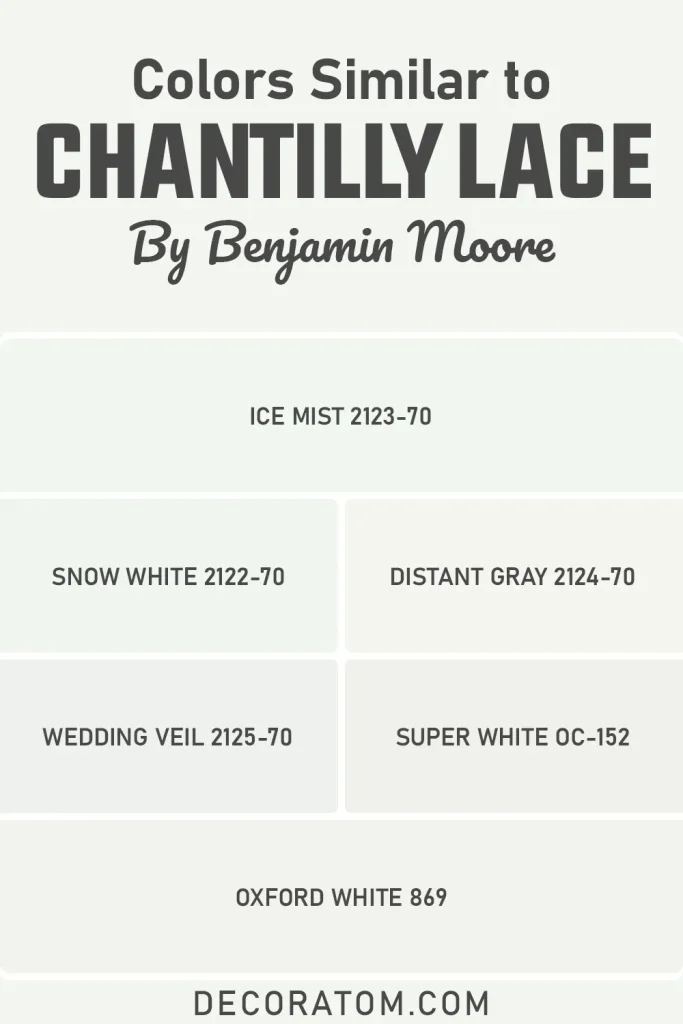
Here are 6 colors similar to Chantilly Lace:
- Ice Mist 2123-70
- Snow White 2122-70
- Distant Gray 2124-70
- Wedding Veil 2125-70
- Super White OC-152
- Oxford White 869
Colors that Go With Benjamin Moore Chantilly Lace
One of the things I appreciate most about Chantilly Lace is how easy it is to build a color palette around it. Because it is such a balanced, neutral white, it does not fight with other colors — it just lets them shine. You can go soft and barely-there with other near-whites and light neutrals, or you can bring in deeper, moodier tones and Chantilly Lace will hold its own as the backdrop.
When I think about coordinating colors for Chantilly Lace, I gravitate toward tones that have the same kind of quiet, composed energy. Nothing too loud, nothing too muddy. The colors that work best alongside it tend to be soft grays, warm greiges, and gentle off-whites — shades that feel collected and calm rather than stark or busy.
These combinations are particularly good if you are trying to create a home that feels cohesive from room to room, where each space flows into the next without a jarring shift in mood. Chantilly Lace acts as the anchor, and the coordinating colors do the job of adding warmth, depth, or a little visual interest depending on the room.
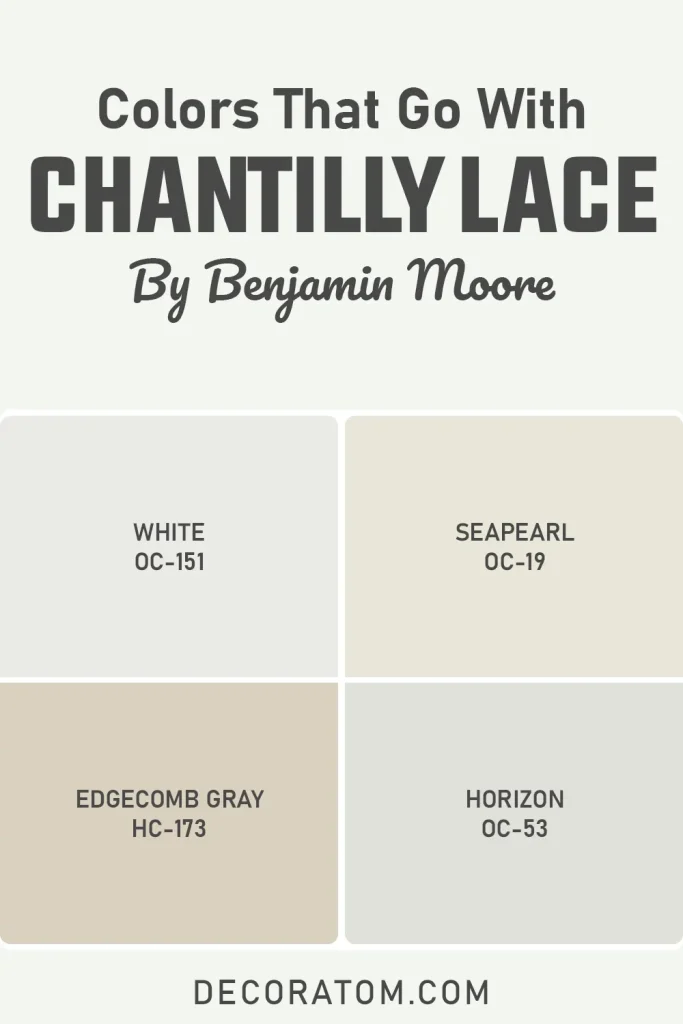
Here are 4 colors that go with Chantilly Lace:
- White OC-151
- Horizon OC-53
- Seapearl OC-19
- Edgecomb Gray HC-173
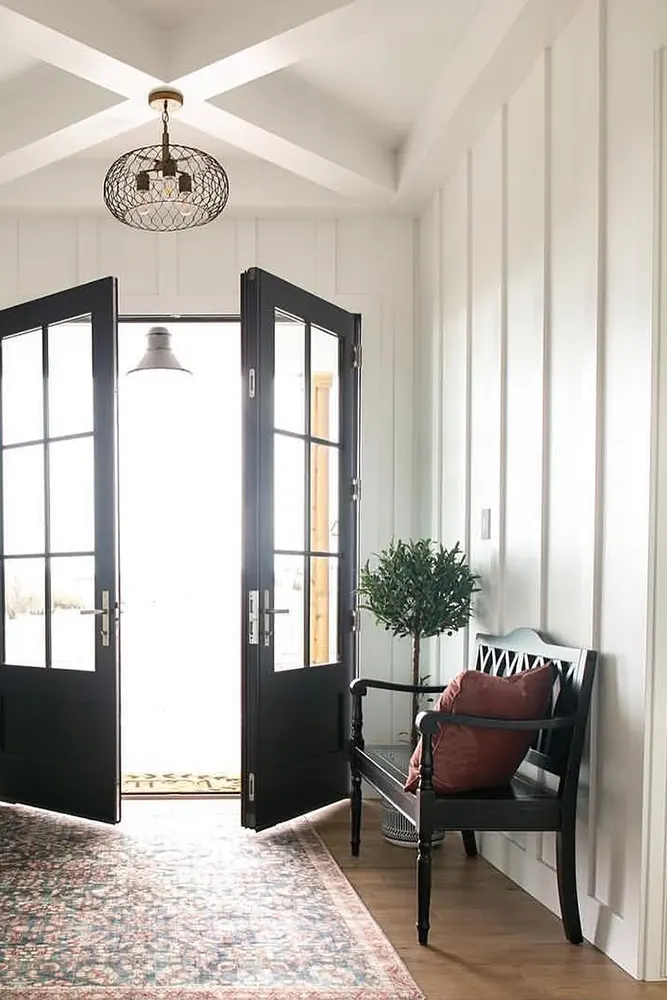
Where to Use Benjamin Moore Chantilly Lace?
Chantilly Lace is one of those colors that genuinely works almost everywhere in a home — but knowing where it really shines helps you get the most out of it.
- Living rooms: It makes the space feel open and light without looking empty. Works especially well if you have large furniture or dark wood floors that need a bright counterbalance.
- Bedrooms: The clean, soft quality of Chantilly Lace creates a calm, restful atmosphere. It does not feel cold at night under warm lighting, which matters more than people realize.
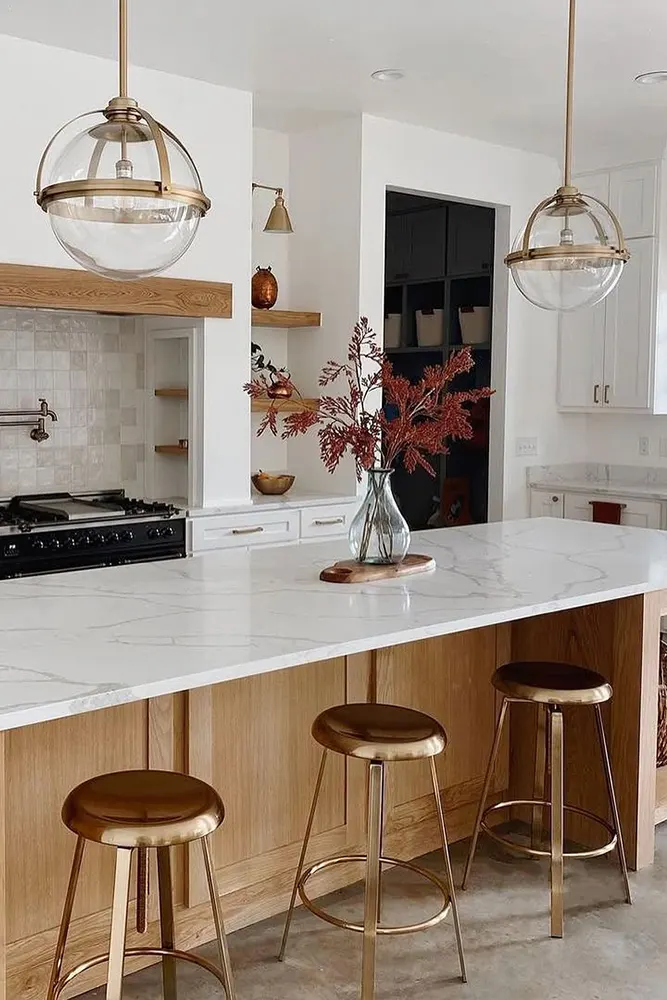
- Kitchens: On cabinets, it is a standout. It gives that bright, fresh kitchen look that you see all over renovation accounts — clean without being too perfect or sterile.
- Bathrooms: High LRV means it bounces light around small bathroom spaces really well. It makes even a windowless bathroom feel less closed in.
- Home offices: A bright, clear white keeps the space feeling focused and energized without being distracting.
- Ceilings: Using Chantilly Lace on the ceiling, especially in rooms where it is also on the walls, creates that seamless, airy effect that makes ceilings feel taller.
- Exterior trim: Some people use it for exterior trim work, and it holds up beautifully — especially against softer siding colors like gray, navy, or sage green.
Why I Love Benjamin Moore Chantilly Lace
Honestly? I love Chantilly Lace because it does not make me second-guess myself. With most whites, there is always that nagging feeling — what if it looks yellow in the afternoon? What if it clashes with my floors? Chantilly Lace just does not do that to you. It stays consistent, it plays well with everything, and it somehow manages to look both timeless and current at the same time.
I also love that it is not trendy in a way that will date your home. Some colors have a moment and then suddenly look very “that specific year.” Chantilly Lace has been popular for years and it still looks fresh because it is not chasing a trend — it is just genuinely a great white.
The high LRV is another thing I come back to often. In older homes or spaces with smaller windows, getting light into a room is a real challenge. Chantilly Lace does a lot of the heavy lifting there. It reflects light generously and makes spaces feel bigger than they actually are, which is something you cannot put a price on when you are living in a smaller home.
And then there is the versatility. I have seen Chantilly Lace work in a boho-style bedroom, a sleek modern kitchen, a cozy traditional living room, and a farmhouse bathroom. It adapts. It does not demand a specific style around it. That kind of flexibility is rare, and it makes Chantilly Lace genuinely one of the best whites on the market.
Final Thoughts
If you have been going back and forth on a white for your walls, I want to save you some time and just say — Chantilly Lace is worth the sample pot. It is one of those colors that earns its reputation, and once you see it in your space, most people do not need much convincing.
It is bright without being cold, clean without being clinical, and flexible enough to work in just about any room, with just about any style. The LRV of 90.04 means it is genuinely one of the lightest whites you can put on a wall, and it handles different lighting situations more gracefully than most.
My honest take — if you want a white that you can trust to look good, coordinate easily, and stand the test of time without ever going out of style, Chantilly Lace 2121-70 is a very safe, very smart choice. And in the world of paint colors, safe and smart is exactly what you want.