

Picking the right warm neutral can feel like splitting hairs sometimes. You’re standing in the paint aisle, holding two nearly identical color chips, squinting like they’re going to reveal some hidden secret.
That’s exactly what happens with Shoji White and City Loft.
Both are Sherwin Williams colors. Both lean warm and cozy. Both have that soft, almost-creamy quality that makes a room feel inviting without going full beige.
But here’s the thing. They’re not the same color.
Shoji White sits at an LRV of 74, which means it reflects more light. It has a hex value of #E6DFD3 and carries subtle warm undertones that give it a gentle, soft appearance on the walls.
City Loft comes in slightly darker at LRV 70. Its hex value is #DFDAD1, and it brings beige and red undertones into the mix. That combo gives it a bit more depth and a touch more warmth.
So what’s the real difference? And more importantly, which one belongs in your home?
That’s what we’re here to figure out. I’ve spent way too much time comparing these two colors in different lights, different rooms, and different moods. Some days I swear they look identical. Other days, the difference is clear as day.
If you’re renovating, redecorating, or just tired of your current wall color, this guide will help. We’ll break down the undertones, the feel, the best uses, and everything in between.
By the end, you’ll know exactly which one fits your space better. No more second-guessing at the paint store.
Let’s get into it.

Key Differences Between Shoji White And City Loft
Shoji White is creamier. City Loft is softer and slightly cooler.
Shoji White has a higher LRV at 74, so it reflects more light. City Loft sits at 70, so it reads a bit more muted.
Shoji White leans warm and creamy. City Loft leans warm beige with a hint of red.
Shoji White works best in rooms that need warmth. City Loft works best in rooms that get strong natural light.
When to Use Shoji White And City Loft
Both colors are flexible. They fit many styles and many homes. Still, each one shines in different places. Here’s how to tell when to pick which.
Use Shoji White if:
You want a warm look that stays soft.
You have a darker room and you want your walls to feel bright.
You need a color that pairs well with wood, warm floors, and beige furniture.
Your home leans farmhouse, cottage, Scandinavian, or classic.
Use City Loft if:
You want a gentle neutral without too much cream.
Your room gets a lot of daylight and you want a color that stays calm.
You’re going for a clean and modern vibe.
You like a hint of sophistication without going gray.
Emotional Effects: Shoji White vs City Loft
Shoji White feels comforting. It wraps the room in softness. It gives that “you can relax here” mood without trying too hard. It’s warm in a quiet way. It feels like a soft blanket or a calm morning. This color makes spaces feel lived in and peaceful.
City Loft creates a smoother mood. It feels steady. It feels calm. It does not shout for attention. It just sits in the background and makes everything else look a little nicer. Because of its beige and slight red undertone, it adds a gentle warmth but still reads airy. It gives off a “simple but put together” kind of vibe.
Detailed Comparing Shoji White And City Loft

Shoji White is one of those colors that feels effortless. It has a Light Reflectance Value of 74, which means it bounces a good amount of light around the room.
That makes spaces feel brighter and more open.
The hex value is #E6DFD3, and when you look at it closely, you’ll notice it has warm undertones. Not screaming yellow or beige, just a soft warmth that keeps it from feeling stark or cold.
It works beautifully in living rooms, bedrooms, and even kitchens. People love it for whole-home color schemes because it’s neutral enough to flow from room to room without feeling boring.
You can pair it with crisp white trim for contrast, or go tone-on-tone for a softer, more blended look.
City Loft sits just a touch darker with an LRV of 70. It’s not a huge drop, but in certain lighting, you’ll notice it feels a bit more grounded.
The hex value is #DFDAD1, and this is where things get interesting.
City Loft has beige and red undertones. That red undertone is subtle, but it’s there. It adds warmth and a little richness that Shoji White doesn’t quite have.
This color shines in spaces where you want warmth without going too yellow or peachy. It’s great for cozy living rooms, dining rooms, or even hallways that need a little more personality.
City Loft pairs well with wood tones and deeper accent colors. It doesn’t wash out in north-facing rooms the way some lighter neutrals do.
Now let’s talk finishes. Both colors are available in all the standard Sherwin Williams finishes. Flat, eggshell, satin, semi-gloss, you name it.
For walls, most people go with eggshell or satin. Those finishes hide imperfections and still give you a little sheen.
If you’re using either color in a bathroom or kitchen, satin or semi-gloss makes sense. They’re easier to wipe down and hold up better to moisture.
Style-wise, both fit into a lot of different aesthetics. Shoji White leans a bit more modern farmhouse or minimalist. It has that clean, airy vibe.
City Loft feels a little more traditional or transitional. The deeper warmth and those red undertones give it a classic, lived-in feel.
Here’s the comparison table so you can see everything side by side.
| Features | Shoji White SW 7042 | City Loft SW 7631 |
|---|---|---|
| Hex Value | #E6DFD3 | #DFDAD1 |
| LRV | 74 | 70 |
| Undertones | Warm Creamy | Beige and Red |
| Use | Living rooms, bedrooms, kitchens, whole-home color | Living rooms, dining rooms, hallways, cozy spaces |
| Finishes | Flat, Eggshell, Satin, Semi-Gloss, Gloss | Flat, Eggshell, Satin, Semi-Gloss, Gloss |
| Style Fit | Modern farmhouse, minimalist, airy spaces | Traditional, transitional, warm and inviting spaces |
Both colors are workhorses. They’re not trendy colors that’ll feel dated in three years. They’re the kind of neutrals you can live with for a long time.
The difference really comes down to how much warmth you want and how much light your space gets. Shoji White is the lighter, brighter option. City Loft is the warmer, richer choice.
Real-Life Photos: Shoji White vs City Loft
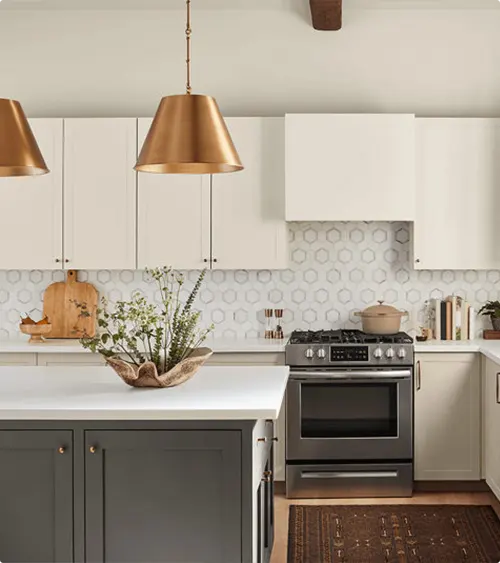
Below you’ll find some real-life photos showing how Shoji White and City Loft look on walls in actual homes. Seeing the colors in real light helps you understand how they behave — sometimes they look different than on a paint swatch. Feel free to drop in your own photos here when you find ones you like.
Shoji White


City Loft


Shoji White vs City Loft: Are They Warm or Cool Paints?
Shoji White is a warm paint. It has a soft creamy undertone that brings warmth and a welcoming glow to a room.
City Loft is also on the warm side — but it’s more neutral-warm, because of its beige and subtle red undertone. It’s not cold or stark. It leans warm-neutral.
Coordinating Colors
If you want to build a palette around Shoji White or City Loft — maybe for trim, accent walls, furniture or décor — here are some colors that pair nicely.
Shoji White
- A soft warm grey (think gentle dove grey)
- A muted sage green — for a calm, natural look
- A warm taupe or light mocha — for cozy, layered neutral
City Loft
- A crisp off-white (clean but not pure white)
- A soft greige — blending grey and beige for subdued modern look
- A dusty slate-blue — for a subtle cool contrast against the warmth
Trim Color with Shoji White And City Loft
Choosing the right trim color can make both wall colors pop. Here are some trim-color options from Sherwin Williams and Benjamin Moore that go well.
For Shoji White:
- Sherwin Williams “Pure White” — clean and bright, makes walls feel soft and fresh
- Sherwin Williams “Alabaster” — warm and slightly creamy, blends softly with Shoji White
- Benjamin Moore “White Dove” — soft warm white, gives a classic, cozy finish
For City Loft:
- Sherwin Williams “Snowbound” — a crisp neutral white, gives clean lines and modern feel
- Sherwin Williams “Westhighland White” — a soft warm white that keeps the warmth but stays modern
- Benjamin Moore “Chantilly Lace” — clean and bright, works well if you want contrast and freshness
What’s the Verdict? Should I Choose Shoji White or City Loft
If you want a room that feels cozy, warm, and slightly classic — go for Shoji White. It gives a soft glow, works great with warm wood, warm décor, and gives comfort on mellow days.
If you prefer a softer, slightly more modern neutral that still has warmth — City Loft is your friend. It gives a subtle sophistication. It works well in brighter rooms, with modern décor and minimalist styling.
👉 Order Shoji White peel-and-stick sample from Samplize
👉 Order City Loft peel-and-stick sample from Samplize
FAQs
Is Shoji White going to look yellow on my walls?
Shoji White can look a little creamy in warm light, but it usually doesn’t turn into a strong yellow. It stays soft. If your room has warm bulbs, you might see a hint more cream, but not an intense yellow shift.
Does City Loft look pink because of the red undertone?
Not usually. The red undertone is very mild. It only shows up in bright daylight or next to cool colors. Most of the time it stays neutral beige.
Which color is better for north facing rooms?
Shoji White works better for north light. North light is cool, so Shoji White warms it up. City Loft may look a touch flat in that kind of light.
Which one feels brighter in a room?
Shoji White feels brighter because the LRV is higher. It bounces more light around. City Loft still looks light, but it reads quieter.
Can I use these colors with gray furniture?
Yes. Shoji White adds warmth to gray pieces. City Loft blends well because it has that soft beige base that sits nicely with cool and warm tones.
Are these good whole house colors?
Both can work as whole home colors. Shoji White gives a warm flow. City Loft gives a calm modern feel. The choice depends on the mood you want through the house.
Do I need warm or cool lighting for these colors?
Both do best with warm to neutral bulbs. Cool lighting can make warm neutrals look flat. A soft warm bulb helps them stay cozy.
Do these colors work with wood floors?
Yes. Shoji White loves warm and mid toned woods. City Loft pairs well with light and natural toned woods.
Will they look good with white kitchen cabinets?
They do. Shoji White gives a warm contrast. City Loft gives a soft calm backdrop behind white cabinetry.
Should I get samples first?
Always. Light changes everything. Seeing the color on your own wall is the best way to avoid surprises.